UN Ocean Decade, particular in the context of the present challenging world full of uncertainty, provides the chance to re-think, re-shape and further enhance the global ocean governance. Along this thread there are several key words worthy of serious consideration and debate, including inclusive, innovation, prioritization and coastal-open ocean connection. China's contributions to UN Ocean Decade would demonstrate the critical values of these orientation. The inclusiveness emphasizes the engagement of the developing countries with special concerns on the least developed countries (LDCs) and small island states (SIDS) in order to make sure that no one is lagging behind through enhancing their capacity and resilience. The innovation provides the critical pathway to maximize the engagement from the developing countries, including the low-cost technology and citizen science. The prioritization calls for more attention and investment on the know-fragile and data-poor oceans such as Indo-Pacific regional ocean, oceans around Africa and South America, Caribbean Sea and many others. As one of the most urgent issue is to address the impacts of the global climate change on the coastal regions by resolving the coastal-open ocean connection. Year 2025 marks the half way of the UN Ocean Decade when it is vital to review and re-calibrate our global efforts and strategy against the UN 2030 Sustainable Goals.
Time: 16:00 – 17:00 Beijing Time (UTC+8), December 4, 2025
Zoom Link: https://us02web.zoom.us/j/84270925373
Zoom Code: 202512
KouShare Link: https://www.koushare.com/live/details/46357
Keynote Speaker: Weidong Yu
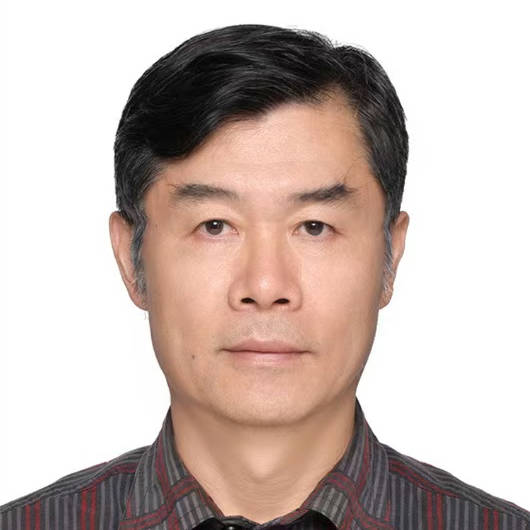
Prof. Weidong Yu, is the Deputy Dean of School of Atmospheric Sciences and Director of Center for Ocean Expedition, Sun Yat-Sen University, Zhuhai, China. His research mainly includes observing and understanding the complex ocean-atmosphere interactions across various temporal-spatial scales, in order to identify the critical role of ocean in the regional and global climate. Among many topics, he particularly focuses on the monsoon-ocean interaction over the Indo-Pacific Oceans. He presently serves as the co-chair of the Ocean Observation Physics and Climate Panel (OOPC), the Scientific Executive of UN Ocean Decade Collaborative Center for Ocean-Climate Nexus (DCC-OCC). He was also the former co-chairs of Tropical Pacific Observing System (TPOS) 2020 and CLIVAR-GOOS Indian Ocean Panel (IOP). His publications are available at the link below http://scholar.google.com.hk/citations?user=bAQMKakAAAAJ&hl=en.
Discussion Panel: Dahai Liu, Dr. Yuntao Wang, Zhengguang Zhu
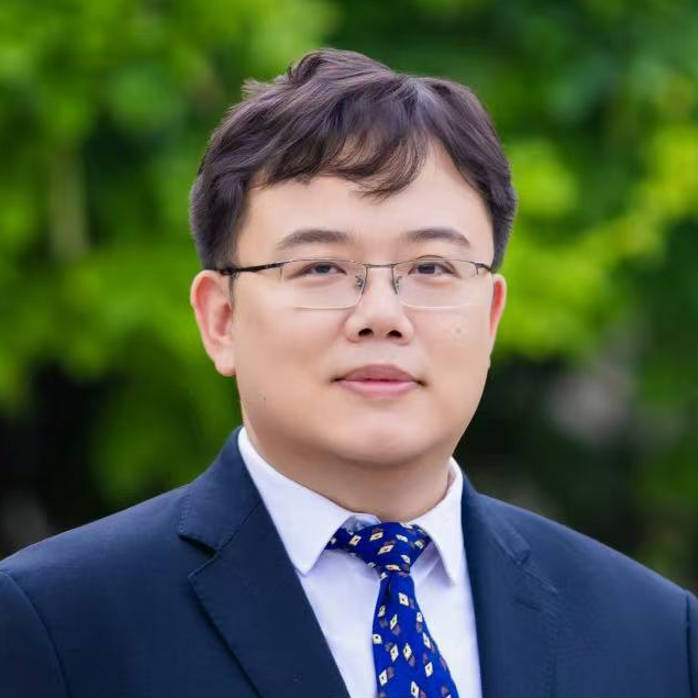
Dahai Liu
Dahai Liu is a professor at the School of Public Administration and Policy, Renmin University of China, a recipient of the National Talent Program, and the principal investigator of a major project under the National Social Science Fund of China. He serves as the chief scientist for the UN Ocean Decade project "Global Ocean Spatial Planning 2060 Based on Ocean Negative Carbon Emissions" and as a global project scientist for AGU Voices for Science. He has published over 200 papers in journals such as Scienc and Nature family journals and authored or co-authored over 40 books. His research achievements have earned him more than 20 provincial and ministerial awards, including the First Prize of Marine Science and Technology Award (Rank 1), First Prize of Ocean Engineering Science and Technology Award, and the Youth Science and Technology Award of the Natural Resources Science and Technology Award.
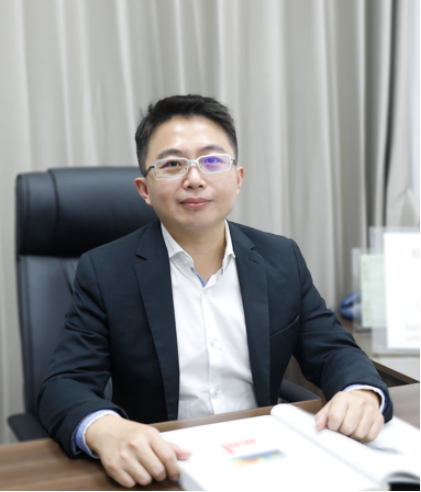
Yuntao Wang
Dr. Yuntao Wang earned his Ph.D. in Ocean Science from the University of Georgia, USA. He currently serves as a researcher at the Second Institute of Oceanography, Ministry of Natural Resources, and is the Director of the International Cooperation Center. He holds several key roles, including expert on the Strategic Communications Group of the United Nations Decade of Ocean Science for Sustainable Development ("Ocean Decade"), and Chinese liaison for the China-U.S. Joint Expert Group on Oceanography and Fisheries Science and Technology. He has been recognized as a leading scientific talent and a young scientific talent by the Ministry of Natural Resources, and was selected for the Zhejiang Provincial Young Talent Special Support Program for High-Level Talents. His research primarily focuses on mesoscale dynamic processes in the ocean and their impacts on marine ecosystems and the carbon cycle. Utilizing methods such as satellite remote sensing and numerical modeling, he conducts studies on frontal dynamic processes and marine ecological carbon storage. He has led several key projects, including the National Key R&D Program for Young Scientists, general and youth projects of the National Natural Science Foundation of China, and the Zhejiang Provincial Outstanding Youth Fund. He also spearheads the implementation of the UN "Ocean Decade" large-scale scientific program, "Marine Natural Hazard Prevention and Healthy Value-Added (MoNITOR)." To date, he has published over 100 academic papers.
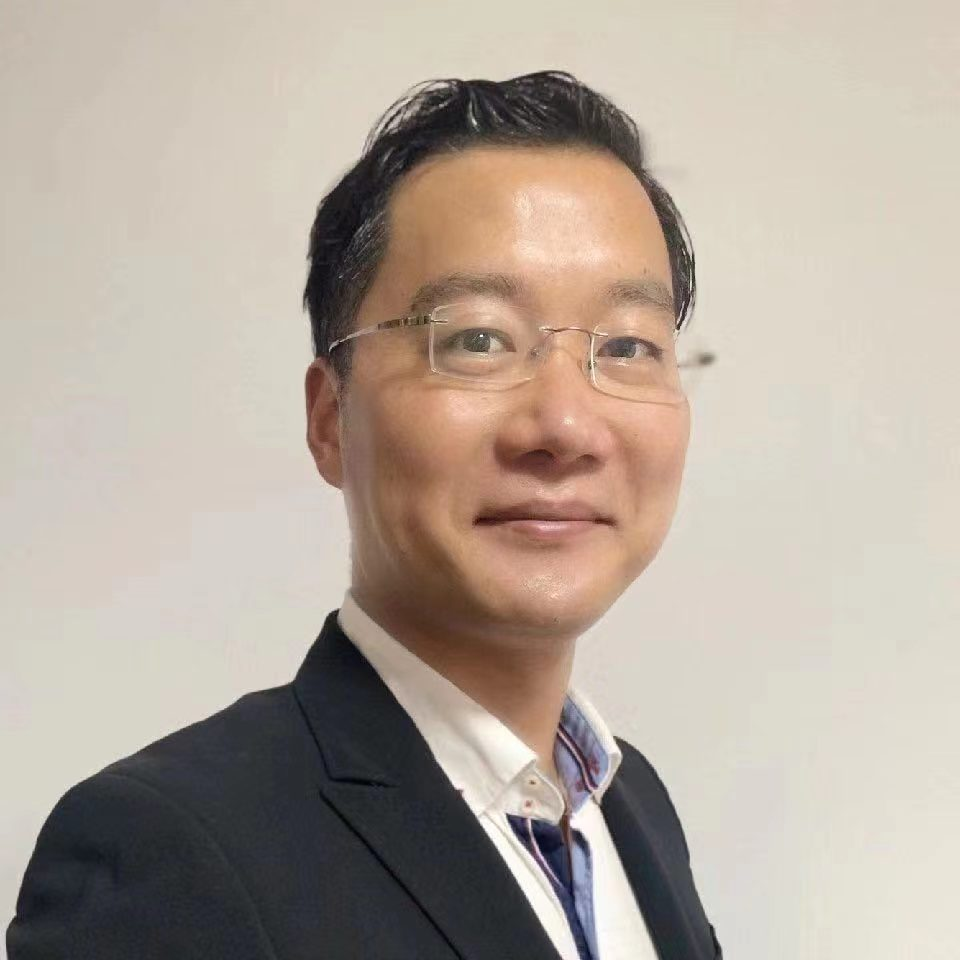
Zhengguang Zhu
Zhengguang Zhu, a scholar of the Australian Government Scholarships, holds a Master of Public Administration from the University of Sydney, Australia. He has long-term collaborations with the Wildlife Conservation Society (WCS), IUCN, The Nature Conservancy (TNC), and Conservation International (CI). With over a decade of international experience in marine fisheries negotiations and marine fishery resource conservation, he has engaged in research and practical work in areas such as the implementation of the Convention on Biological Diversity, benefit-sharing, fisheries negotiations with neighboring countries, implementation of the Convention on International Trade in Endangered Species of Wild Fauna and Flora (CITES), marine protected area conservation and establishment, international cooperation project management, global marine environmental governance, and the marine economy. He has served as a consulting expert on marine 3030 issues for the Wildlife Conservation Society and Conservation International Foundation, as well as a consulting expert for the International Finance Corporation (IFC) of the World Bank on Environmental, Social, and Governance (ESG) projects. Currently, Zhengguang Zhu serves as the Deputy Director of the International Cooperation Department at the China Aquatic Products Processing and Marketing Alliance (CAPPMA), where he is responsible for marine policies, the implementation of sustainable fisheries projects, compliance with regional fisheries organizations, and sustainable seafood supply chain initiatives.
Post your questions to the keynote speaker and panel members:once.secretariat@outlook.com